The Gems of Estonia’s Northwest Coast: Beaches, Cliffs, Manor Houses and Paldiski

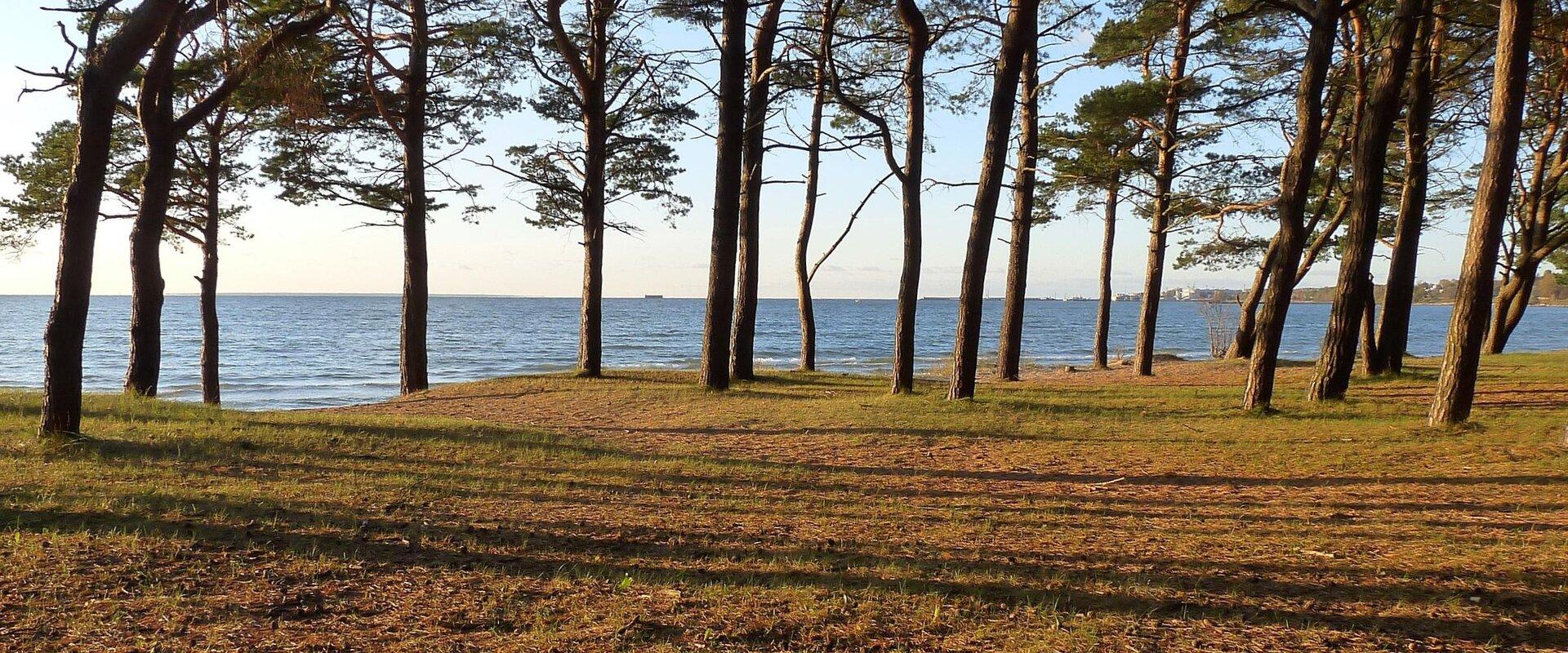
Stretching west from Tallinn, Estonia's northwest coast is a diverse coastal region where pine forests, sandy beaches, limestone cliffs, and local villages create a distinctive landscape. Travelling along the coast, you’ll discover scenic nature, historic manor estates, military heritage, and plenty of opportunities for both relaxing by the sea and enjoying outdoor activities.

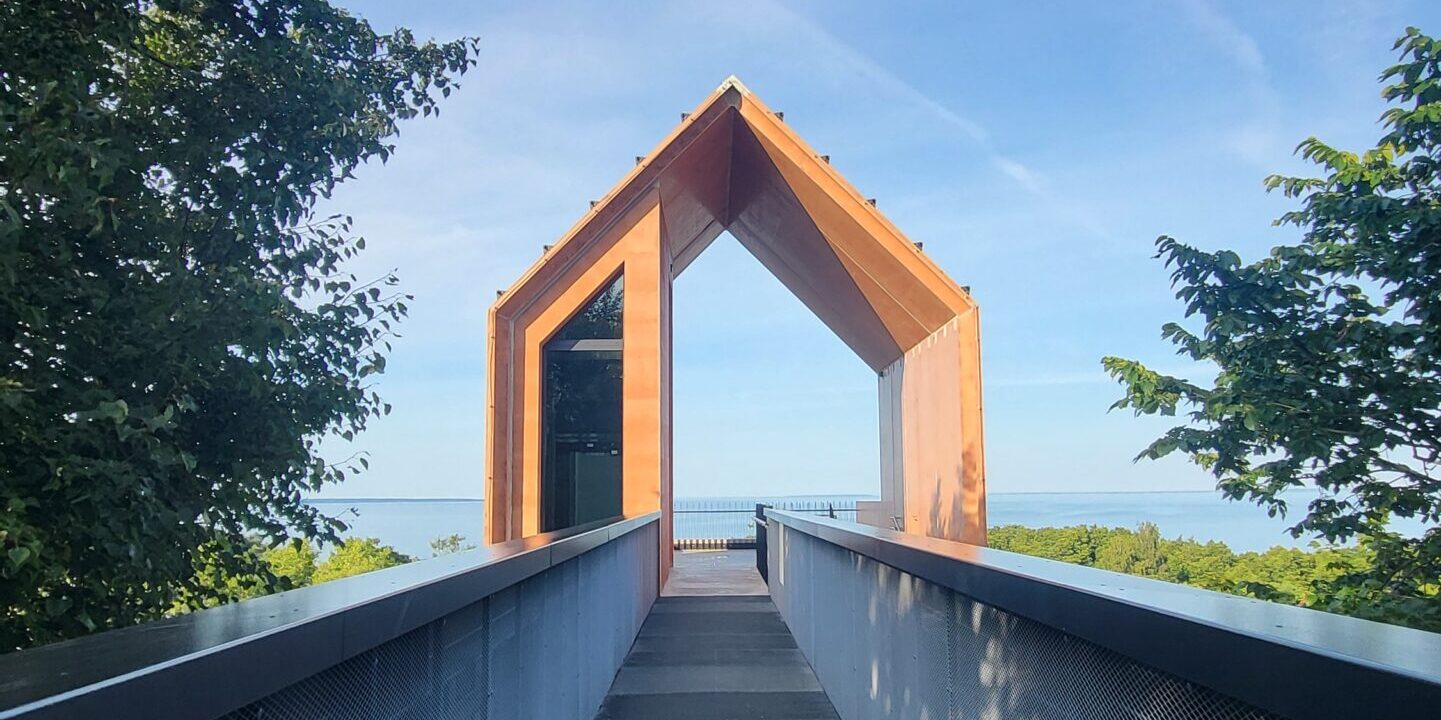
Located in Harku Parish, Tabasalu Nature Park is one of the region's best-known natural attractions. From the limestone cliff, visitors can enjoy panoramic views over the Baltic Sea, while a staircase leads down to the shoreline. Nearby, Tilgu Harbour is a small marina for local voluntary sea rescue services, coastal fishermen and yaht club. The nearby Meriküla viewing platform and staircase  situates on a limestone cliff at a height of 22 meters. It combines beautiful coastal views with an enjoyable walk into mostly empty seashore.

Northwest Coast

Photo: Anneliis Jool

Northwest Coast

Photo: Dmitry G, Wikimedia Commons

Vääna-Jõesuu onwards is well known for its long sandy beach and lively summer atmosphere. This is unique place where you can see how river meets sea. Closeby, Türisalu Cliff viewpoint 31 m above sea level offers sweeping views of the sea and coastline, while the Meremõisa camping area provides a peaceful place to stay overnight surrounded by nature.

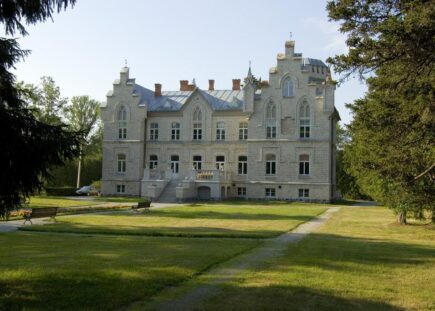
Keila-Joa is a historic area where a watermill was first mentioned in the 16th Century and which now works as hydro power plant. Today, the river, manor park, and historic schloss defines the landscape. At the heart of the nature park lies Keila Waterfall, Estonia’s second-largest waterfall. An English-style park, suspension bridges, and a nature trail of around two kilometres create a varied setting for visitors.

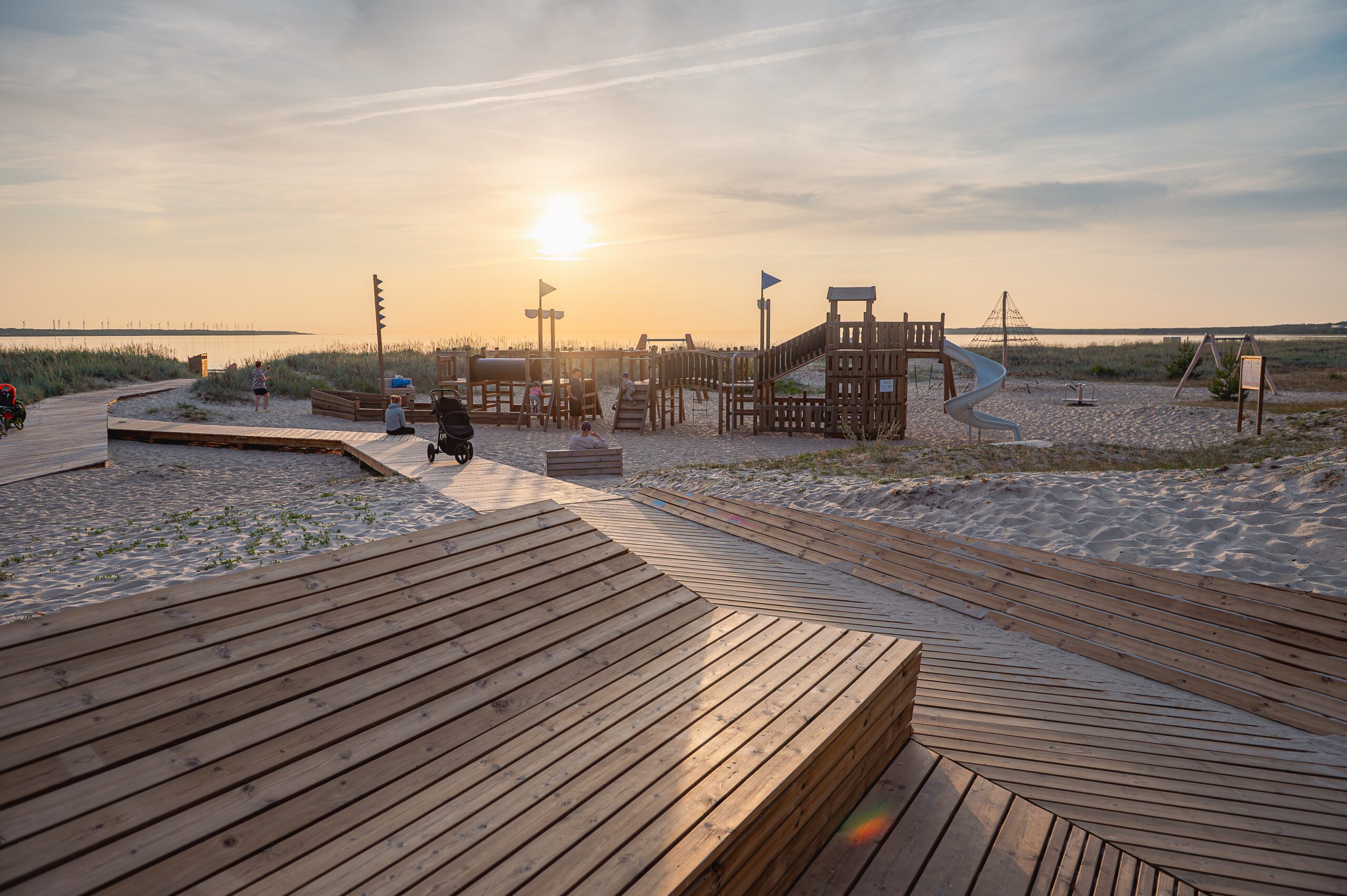
Kloogaranna mänguplats

Photo: Argo Viikvald

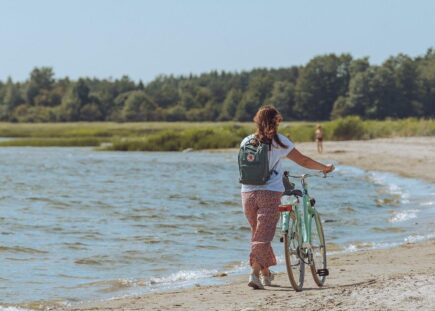
Laulasmaa is known for its long sandy beach, hotel with spa and excellent dining options. Nearby Kloogaranna Beach is another popular seaside destination that can easily be reached by train from Tallinn (stop "Kloogaranna"). Its kilometre-long sandy beach, with modern visitor amenities, and favourable wind conditions make it a favourite for both beachgoers and kitesurfers. Close to the beach, the Treppoja Cascades offers a small but distinctive natural attraction, especially appreciated by photographers for their picturesque appearance.

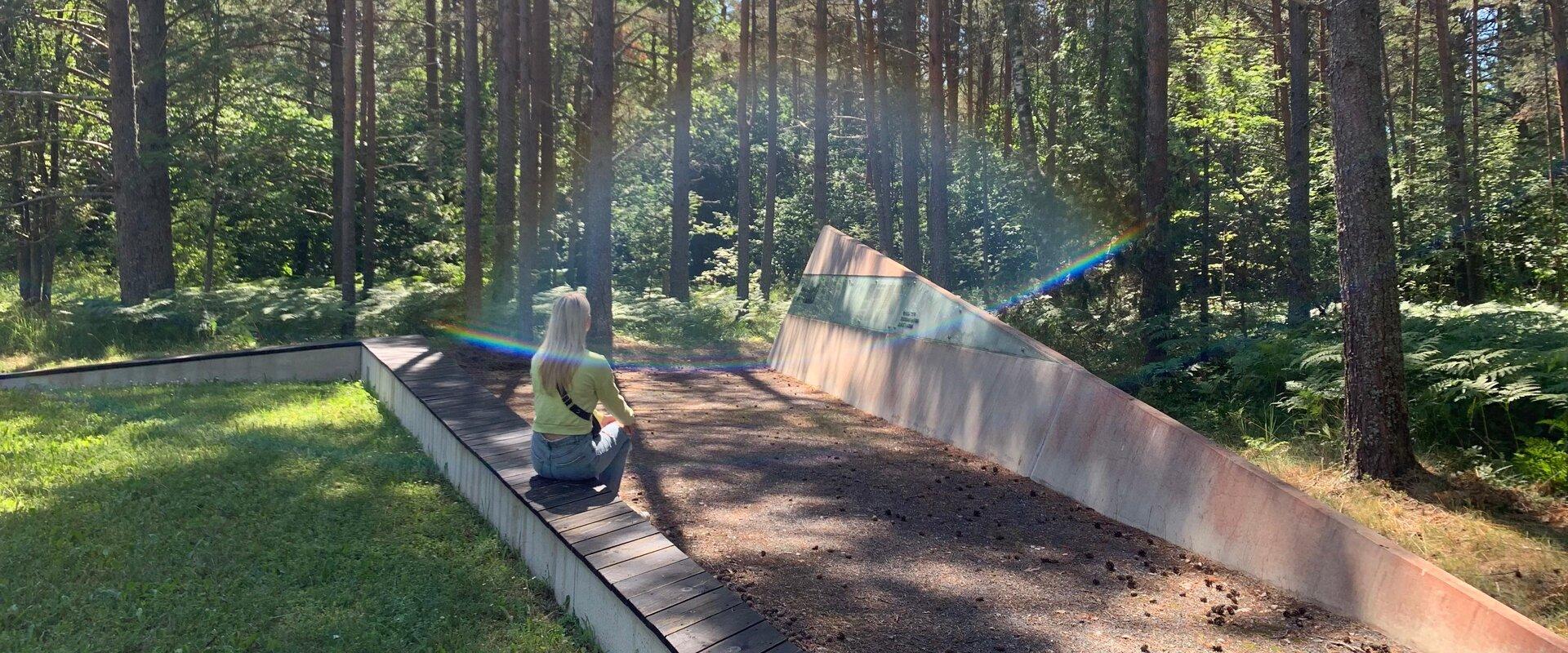
Further inland, the village of Klooga and its lake have long been popular summer destinations for residents of Tallinn. The lake often warms up earlier than the sea, making it an excellent place for swimming at the beginning of summer. The area’s Second World War history is commemorated by the Klooga Holocaust Memorial, located near the railway.

Klooga koonduslaager ja holokausti memoriaal

Photo: Rea Kõiv

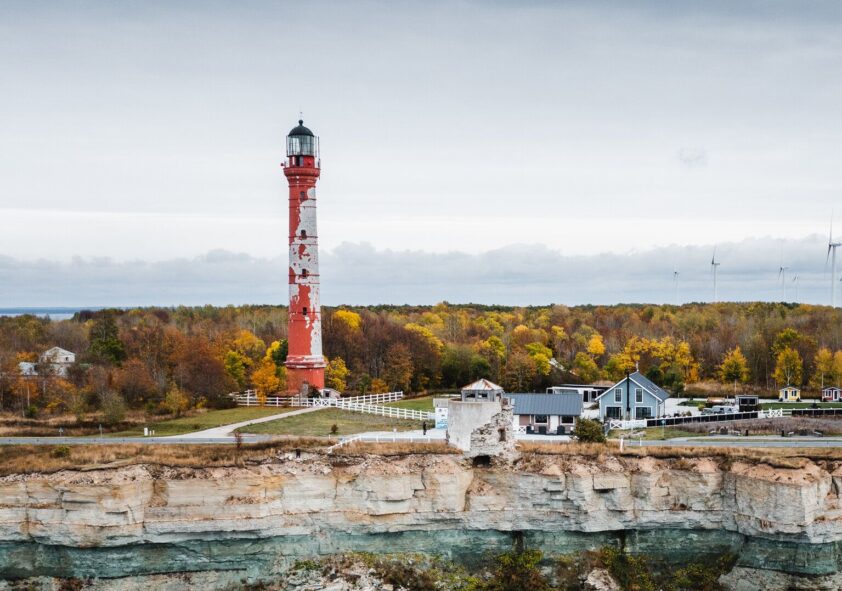
Pakri tuletorn ja poolsaar

Photo: Priidu Saart

Paldiski is a harbour town shaped by its dramatic coastline and layered history. The area’s past includes the coastal Swedes, the naval port established during the reign of Peter the Great, and the Soviet period, when the town was closed to the public as a military base. Today, visitors can explore both the town’s history and natural surroundings by following the coastal hiking trail, visiting the lighthouse and museum, or stopping at local eateries. An audio guide is also available for those wishing to discover the town independently.

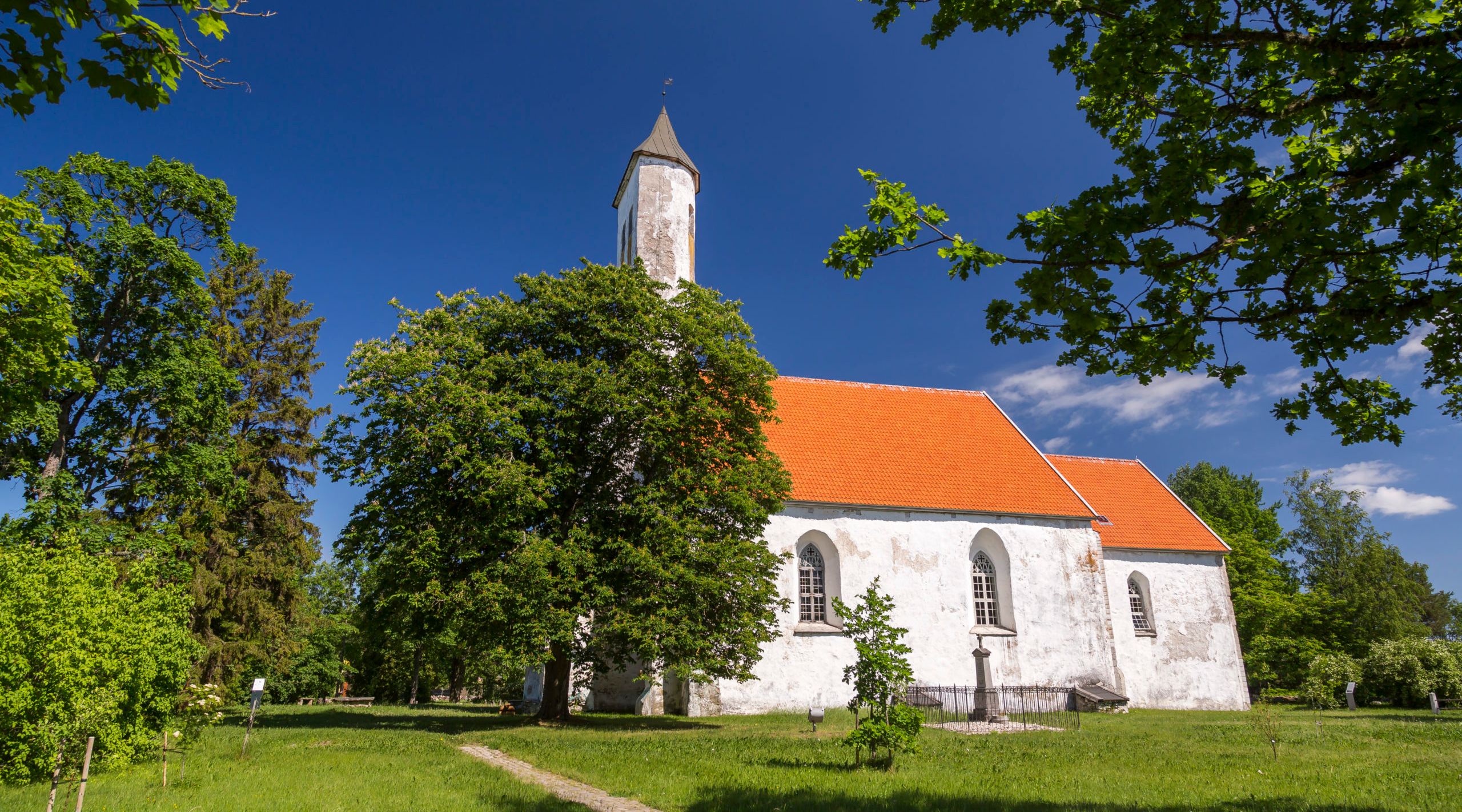
In the peaceful countryside around Harju-Risti, the local church dates to the 14th century and is closely connected with the heritage of the Cistercian Order. Small family-run businesses in the area offer accommodation, local food, and opportunities to learn about the region’s history.

West of Harju-Risti, the legacy of the coastal Swedes becomes more visible as the landscape gradually turns wilder and rockier. While Estonians rarely reveal their favourite mushroom-picking spots, the forests here are rich in mushrooms and wild berries, and the nearby sea offers seasonal opportunities for catching flounder.
Harju-Risti kirik

Photo: Eesti Evangeelse Luterliku Kiriku Risti Kogudus